
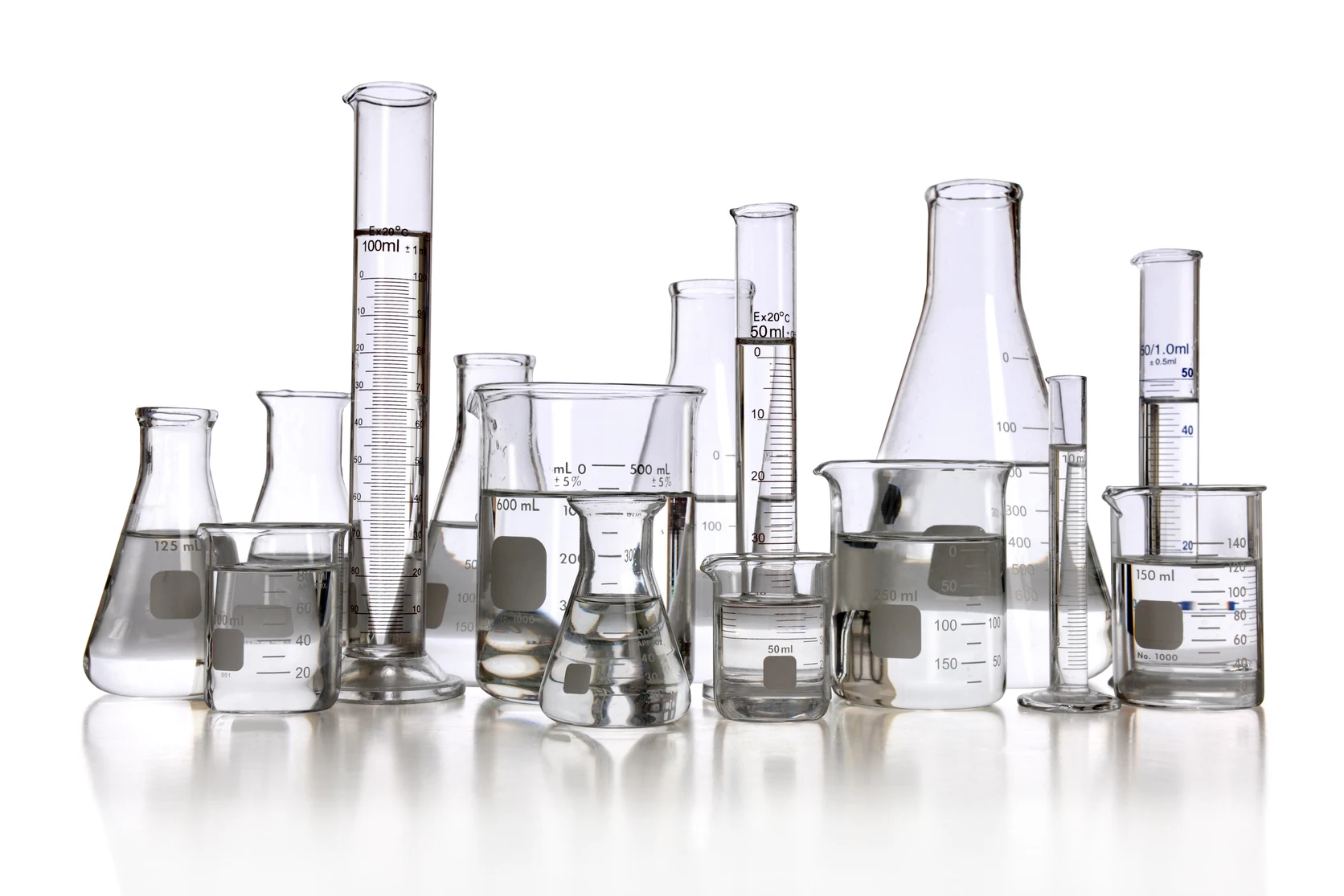
When a method or materials list specifies Acetone AR, buyers need more than a familiar solvent name. The useful comparison is between the written requirement and the actual specification of the product being supplied.
A short purchase checklist
Confirm the product identity and stated grade, the quantity needed, the pack format and how each lot is identified. Review the available technical data and current safety data sheet. If a method sets limits for impurities, water content or another property, compare those limits against the supplier’s stated specification rather than assuming that a grade label means the same thing in every context.
Keep the product’s intended use within the laboratory’s own approved methods. A general article cannot determine whether a solvent is compatible with a particular instrument, material or analysis; that decision belongs to the method owner and should be supported by suitable verification.
For safety, use the current product label and SDS as inputs to your local COSHH assessment. The HSE notes that safety data sheets describe hazards and handling information but are not a risk assessment in themselves.
View Acetone AR at Lab Forensics. Online Reagents lists a broader solvent catalogue including acetone, alcohols and specialist solvents; explore its chemical range and verify the exact specification before considering any substitution. Lab Forensics is backed by PMA’s chemical manufacturing experience of over 50 years; read about PMA’s manufacturing capabilities.
Sources: HSE: Chemical safety data sheets; HSE: How to carry out a COSHH assessment.